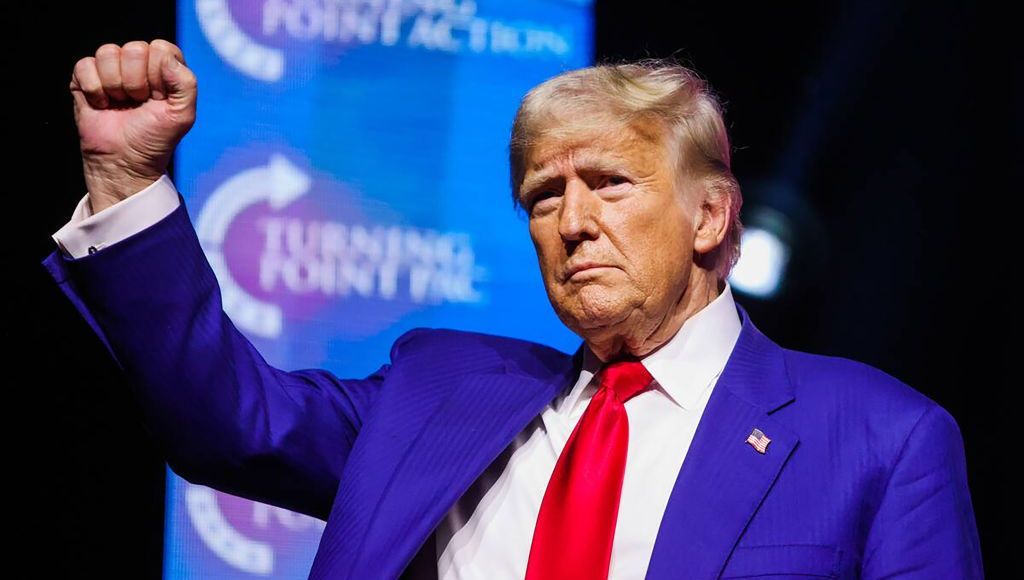
The latest data on the Trump approval rating Hispanics shows a noticeable shift. According to recent polling trends, support among Hispanic voters has dropped by six percentage points within a single month.
This decline is significant in the broader political landscape, especially as campaigns prepare for upcoming elections. Hispanic voters represent one of the fastest-growing and most influential demographic groups in the United States. A change in approval ratings within this community can have measurable political consequences.
In this article, we break down what the Trump approval rating Hispanics decline means, why it may be happening, and how it could influence the 2026 political climate.
Understanding the Trump Approval Rating Hispanics Trend
Approval ratings serve as a snapshot of public opinion at a given time. For Donald Trump, Hispanic voter support has fluctuated throughout recent years.
A six-point drop in just one month signals:
- Shifting voter sentiment
- Reaction to policy decisions
- Response to political messaging
- Influence of economic or immigration debates
While approval ratings naturally fluctuate, sharp short-term changes often indicate broader political movement.
Why Hispanic Voters Matter Politically
The Hispanic electorate plays a pivotal role in U.S. elections. Key battleground states such as Texas, Florida, Arizona, and Nevada have substantial Hispanic populations.
Political analysts consistently highlight that:
- Hispanic voters are not a monolithic group
- Economic policy often ranks high in importance
- Immigration policy strongly influences voter perception
- Cultural and family values remain central themes
Changes in the Trump approval rating Hispanics metric could influence campaign strategies for both the Republican Party and the Democratic Party.
Possible Reasons Behind the 6-Point Drop
While polling does not always specify a single cause, several factors may contribute to the Trump approval rating Hispanics decline.
1. Economic Concerns
Economic stability is a top priority for many Hispanic households. Inflation, job market shifts, or wage concerns can directly influence approval ratings.
If economic messaging fails to resonate or if voters perceive instability, approval numbers may shift quickly.
2. Immigration Policy Debate
Immigration remains a central issue for Hispanic communities. Any renewed debate, proposed reforms, or enforcement measures can significantly impact public perception.
Even small policy signals can influence short-term polling results.
3. Political Messaging and Media Influence
Media coverage plays a powerful role in shaping public opinion. Platforms such as:
- Fox News
- CNN
often frame political developments differently, influencing voter interpretation.
Digital media trends and social platforms further amplify narratives, contributing to rapid opinion shifts.
4. Demographic Generational Differences
Younger Hispanic voters often prioritize:
- Climate policy
- Social justice
- Education reform
- Healthcare access
If messaging does not align with generational concerns, short-term approval shifts can occur.
Historical Context of Trump Approval Rating Hispanics
During previous election cycles, the Trump approval rating Hispanics showed mixed trends. In some states, support improved compared to earlier campaigns. In others, it remained divided.
Polling organizations such as Pew Research Center and Gallup frequently report demographic breakdowns to track these movements.
A six-point monthly drop is notable but must also be viewed within a broader historical framework.
Approval ratings can rebound depending on economic shifts, campaign outreach, or major national events.
What This Means for 2026 Elections
If the Trump approval rating Hispanics trend continues downward, it may influence:
- Campaign advertising strategies
- Policy emphasis
- Outreach initiatives
- Debate positioning
Both major political parties closely monitor demographic trends. Hispanic voter engagement efforts may intensify in response to this shift.
Political strategists often respond quickly to polling changes by refining messaging and targeting key communities.
Short-Term Drop vs Long-Term Trend
One month of data does not necessarily predict long-term outcomes.
Important questions include:
- Is this drop temporary?
- Will economic improvements reverse the trend?
- Are other demographics shifting similarly?
Approval ratings are dynamic. Short-term reactions to news events or policy discussions can stabilize over time.
The Role of Independent and Swing Voters
Not all Hispanic voters align strictly with one political party. A growing number identify as independent or swing voters.
This makes the Trump approval rating Hispanics metric especially sensitive to:
- Campaign tone
- Policy clarity
- Economic performance
- Community engagement
Independent voters often decide close elections.
Media and Social Media Influence on Public Opinion
Modern approval ratings are influenced heavily by digital exposure.
Social media platforms such as:
- YouTube
allow political content to spread rapidly.
Narratives, viral clips, and targeted advertising can affect public opinion quickly — sometimes within weeks.
This digital acceleration may partially explain rapid shifts like the six-point drop in the Trump approval rating Hispanics.
Key Takeaways for Political Observers
The Trump approval rating Hispanics decline highlights several broader political realities:
- Hispanic voters remain a decisive electoral force.
- Approval ratings can shift rapidly.
- Economic and immigration issues remain central.
- Campaign strategy adjustments are likely.
Political analysts will continue monitoring future polling data to determine whether this drop signals a deeper trend.
Could Support Recover?
Political history shows that approval ratings often rebound.
Factors that could stabilize or improve the Trump approval rating Hispanics include:
- Positive economic indicators
- Stronger community outreach
- Policy adjustments
- Effective campaign messaging
Much depends on how upcoming political developments unfold.
Final Thoughts
The reported six-point drop in the Trump approval rating Hispanics marks a significant short-term shift in public opinion.
However, political landscapes are fluid. Demographic support can change quickly in response to policy decisions, economic conditions, and campaign strategies.
As 2026 approaches, Hispanic voter engagement will likely remain a central focus for national campaigns.
Whether this decline represents a temporary fluctuation or the start of a larger trend will become clearer in the months ahead.